

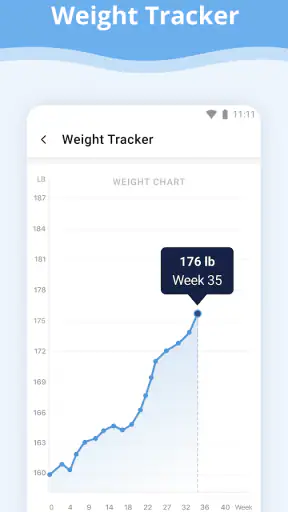
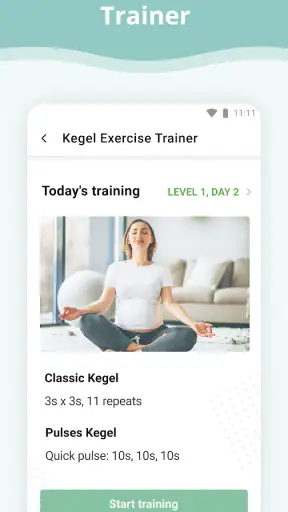
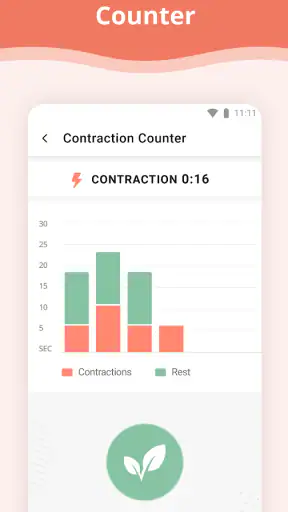
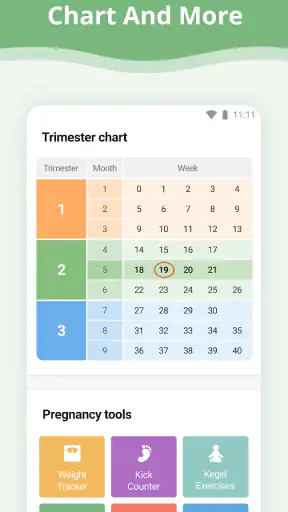
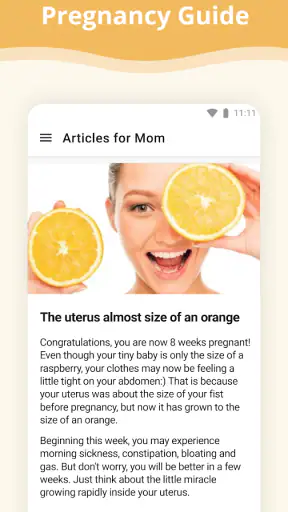
Pregnancy App is the kind of parenting app I would open when I want a simple place to follow a pregnancy without turning the experience into another complicated project. I tested it with that expectation in mind: not as a replacement for medical care, but as a practical companion for everyday questions, planning, and personal tracking. Its focus is clear, and that clarity is one of its strongest qualities.
Developed by Amila, this free app sits in the parenting category and is aimed at people who want pregnancy information and progress tracking in one mobile tool. Its store summary is brief, but the real appeal is easier to understand after using it: the app is designed to make pregnancy feel more organized from one week to the next. I found it most useful when I treated it as a calm reference point rather than an authority on health decisions.
The app has built a very strong audience, with an average rating of 4.9 from around 473 thousand ratings, alongside more than 5 million installs. Those figures do not guarantee that every person will enjoy it, but they do suggest that its straightforward approach connects with many users. It is free to start, although in-app purchases range from $1.99 to $100 per item, so I would check any purchase screen carefully before confirming anything.
How Pregnancy App feels during ordinary use
Speed expectations and the first setup
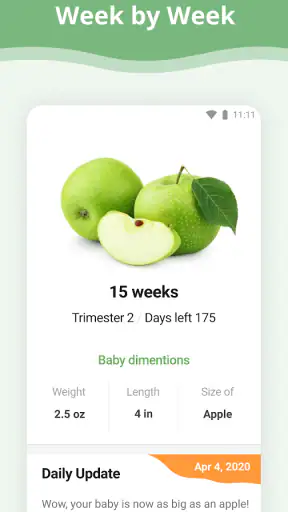
My first impression was that this is an app built around quick check-ins rather than long sessions. That matters for pregnancy tracking because most people do not want to spend several minutes navigating through a dense system every time they want to check their current stage. The basic experience feels better suited to opening, reviewing what is relevant now, and closing the app again.
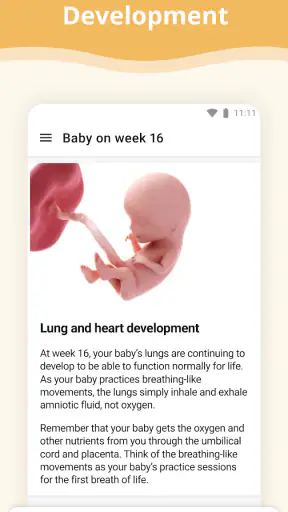
I would not choose this app expecting the depth of a full medical record system. Its value is in reducing small bits of mental work: remembering where you are in the pregnancy, keeping track of progress, and returning to information when a question comes up. That makes it especially approachable for someone using a pregnancy app for the first time.
A useful habit is to open it at a consistent moment, such as after a weekly appointment or on the same day each week. That routine makes the information easier to compare in your own mind. I also found that the app works best when I decide beforehand what I want from a session. A quick progress check, a look at current guidance, or a reminder of what to discuss with a clinician is more productive than aimlessly browsing.
The best performance expectation is “quick companion,” not “complete pregnancy command center.” That distinction prevents disappointment. People who want a focused, low-effort tracker are likely to appreciate it more than users searching for an all-in-one clinical platform.
What happens during heavier use
Pregnancy apps can become demanding when users try to combine several tasks at once: tracking progress, reading lots of guidance, recording personal notes, and using other phone apps in the background. Pregnancy App feels more comfortable as a focused tool than as something I would leave open for a long period. I prefer checking one area, taking any useful note elsewhere if needed, and moving on.
That workflow also helps with attention. Pregnancy can bring a steady stream of questions, and an app that encourages endless browsing may create more worry than clarity. I found it sensible to use the app for a specific purpose, then stop. For example, before a prenatal appointment, I might review the current stage and write down two questions. After the appointment, I would close the app instead of repeatedly searching for explanations.
Another practical use is sharing the experience with a partner. Rather than handing over the phone and asking someone else to explore everything, I would show the current information directly and explain what I wanted to discuss. This keeps the app from becoming a substitute for conversation. It can support a shared routine, but it cannot know the personal medical context of two people.
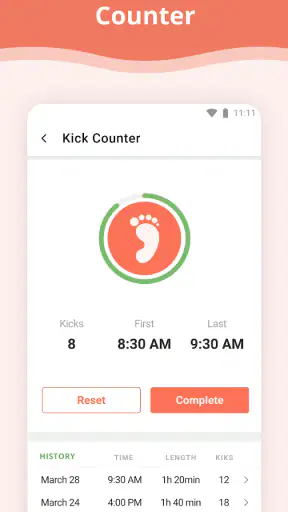
For users who like to record every detail, the experience may feel less satisfying than a dedicated journal or a health app with extensive logging. A separate notes app can sometimes be better for appointment questions, symptoms, and personal observations because those records remain under your own organization. Pregnancy App is more useful for orientation and regular progress checks than for building a detailed lifelong health archive.
Reliability in a sensitive category
Reliability means more than whether an app opens. In pregnancy, I also care about whether its information is presented in a way that encourages sensible decisions. My advice is to use Pregnancy App for general education and personal organization, while treating a midwife or doctor as the source for symptoms, medication, test results, and urgent concerns.
This is an important boundary even when an app feels polished. A general pregnancy explanation cannot account for medical history, complications, allergies, previous pregnancies, or advice from a care team. If something feels unusual or worrying, I would not wait for an app entry to reassure me. I would contact a qualified professional or use the appropriate local medical service.
For day-to-day reliability, I would also keep a simple backup habit. If the app helps me remember a question for an appointment, I would copy that question into my notes or write it down. That is not a criticism unique to this app; it is a sensible safeguard for any mobile tool. Phones change, apps update, and personal information is easier to manage when important reminders exist in a second place.
The current version is 1.4.74, and the app supports Android 8.0 and later. That gives it a reasonably broad range of compatibility for Android users, but compatibility is not the same as identical behavior on every phone. Older devices may feel less comfortable when storage is tight, several apps are active, or the operating system is under strain.
Device constraints and everyday comfort
Because this is a mobile parenting app, I would expect it to be easier on a phone than a feature-heavy social or video application. Still, resource use depends on the device, operating system, available storage, and what else is running. On an older phone, I would avoid keeping many apps open at once and would install updates when the device has enough space.
Screen size can also affect comfort. A compact phone may be perfectly adequate for short reading sessions, but longer pregnancy guidance can feel cramped if text requires frequent scrolling. A larger display is more pleasant when reviewing several sections, especially when tiredness or nausea makes prolonged concentration difficult. That is a comfort issue rather than a sign that the app is unsuitable.
I would also be careful about using it when battery levels are low. Pregnancy tracking does not usually need to be an always-on activity, so there is little reason to keep the app open unnecessarily. Open it when needed, complete the task, and close it. This simple approach reduces distractions and makes the phone feel more responsive for the rest of the day.
Android users should note the operating-system requirement before installing. Anyone using a very old phone may need to consider an upgrade or a different way to access pregnancy information. For supported devices, the app is positioned as a free download, but the presence of optional purchases means I would not assume every part of the experience is included without checking the wording on screen.
A realistic weekly scenario
Imagine someone who has just finished work, feels tired, and remembers that a prenatal appointment is coming up. Instead of searching the internet through unrelated pages, they open Pregnancy App for a short review of their current stage. They notice a topic they want to ask about, add the question to their phone notes, and close the app. The next morning, they can bring that question to their appointment without relying on memory.
That is where I see the app fitting naturally into real life. It does not need to dominate the day. A small weekly routine can make it useful: check the current progress, note what matters, and discuss personal concerns with a healthcare professional. The app becomes a prompt for better preparation rather than a source of constant checking.
Another scenario is a partner who wants to be involved but does not know what is relevant at a particular stage. I would use the app as a conversation starter, not as a script. Looking at the same information together can help a couple decide what to prepare, what to ask, or which practical tasks should be handled that week. The value comes from turning information into a shared conversation.
Who will benefit most from it
I think Pregnancy App is a good fit for first-time parents who want a gentle introduction to pregnancy tracking. Its simple purpose makes it less intimidating than a platform filled with charts, communities, and complex health records. It can also suit experienced parents who do not need extensive logging and simply want a convenient way to follow the current stage.
It is useful for people who prefer short reading sessions and clear routines. If you want to check progress on a phone, gather questions before appointments, and keep pregnancy information close at hand, the app has a sensible role. The free entry point makes it easy to try without committing to a subscription at the start.
It may also help a partner or family member understand what the pregnant person is focusing on, provided everyone remembers that general information is not personal medical advice. Used thoughtfully, it can support preparation and communication without taking over either person’s judgment.
Who should look elsewhere
I would look for another solution if my main requirement were a detailed symptom diary, shared clinical records, appointment management, or deep integration with other health devices. A dedicated health platform or a journal may be better for those jobs. Pregnancy App is not the tool I would rely on as the only place for sensitive medical notes.
I would also skip it if I knew I was likely to interpret general information as a diagnosis. Pregnancy can produce normal changes that still feel alarming, and an app cannot examine you or understand your complete history. In that situation, the safer choice is to use the app only for basic organization and direct health questions to a professional.
Users who dislike optional purchase prompts may want to pay close attention during setup and browsing. The app is listed as free, but purchases are available, with individual items ranging from $1.99 to $100. I would treat every paid option as optional and confirm the amount before proceeding. That small moment of caution is worthwhile, especially when using the app while tired or distracted.
How it compares with familiar alternatives
Compared with searching the web, Pregnancy App offers a more focused starting point. Web searches can provide broader material, but they also bring conflicting explanations, alarming results, and pages that are difficult to judge quickly. I prefer the app when I want a structured pregnancy-oriented check rather than a wide search across unrelated sources.
Compared with a personal notes app, it is more convenient for pregnancy-specific orientation, while notes remain better for private questions and appointment records. I would use both together instead of forcing one tool to do everything. The app helps me remember the context; notes help me preserve my own details.
Compared with a full health platform, Pregnancy App feels less like a medical dashboard and more like an approachable companion. That can be an advantage for someone who wants simplicity, but a limitation for anyone who wants comprehensive tracking. The right choice depends on whether the priority is low-friction guidance or detailed personal record keeping.
Privacy-minded habits and recovery
Whenever I use a parenting or health-related app, I try to keep my own information organized and avoid entering details that are not necessary for the task. I also make sure important appointment questions and instructions are saved somewhere I control. This makes recovery easier if I change phones, reinstall the app, or decide that another tool suits me better.
If the app ever feels slow or fails to behave normally, I would first close other active apps, check available storage, restart the phone, and make sure the operating system is supported. I would avoid repeatedly tapping buttons during a delay, especially around any purchase screen. If the problem affects something important, I would rely on my written notes and healthcare contacts rather than waiting for the app to recover.
This recovery approach is particularly useful because pregnancy information can feel urgent even when the app itself is not. A temporary technical problem should never become a reason to postpone medical advice. The app can be convenient, but the important information should remain accessible through more dependable channels as well.
My final performance verdict
After using Pregnancy App as a focused pregnancy companion, I see its strongest point as balance. It is not trying to be a hospital record, a private journal, and a complete family organizer at the same time. Instead, it gives Android users a straightforward way to follow pregnancy progress and return to relevant information during ordinary weekly routines.
Its broad compatibility from Android 8.0 onward, free starting price, and established audience make it easy to consider. The current version is 1.4.74, and the Everyone age rating also makes its positioning clear as a general-audience parenting tool. I would still review purchase prompts carefully and avoid treating any general guidance as personalized medical instruction.
My recommendation is strongest for someone who wants a simple, low-pressure tracker that can fit into a busy day. I would choose a more specialized health or journaling tool for extensive records, device integration, or clinical organization. For everyone else, Pregnancy App is a practical place to begin: open it with a purpose, use it to prepare better questions, and let your healthcare team remain the final source for personal decisions.
In short, I found it most valuable when used briefly and consistently rather than constantly. It can make pregnancy information easier to approach, help partners share a weekly routine, and reduce the need to search randomly online. That is a modest role, but a useful one, and it is exactly why I would recommend giving this particular parenting app a try.


